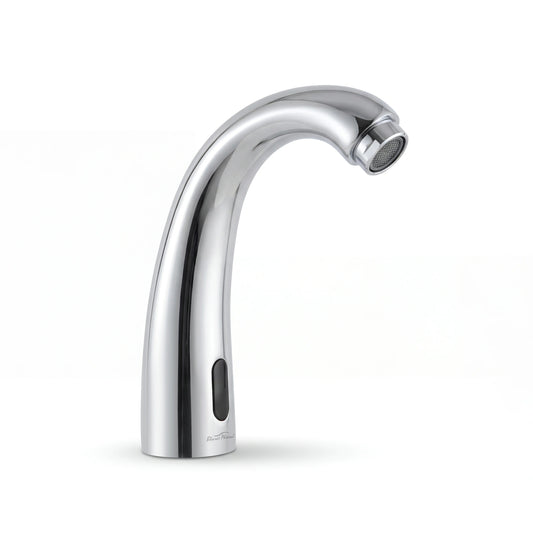
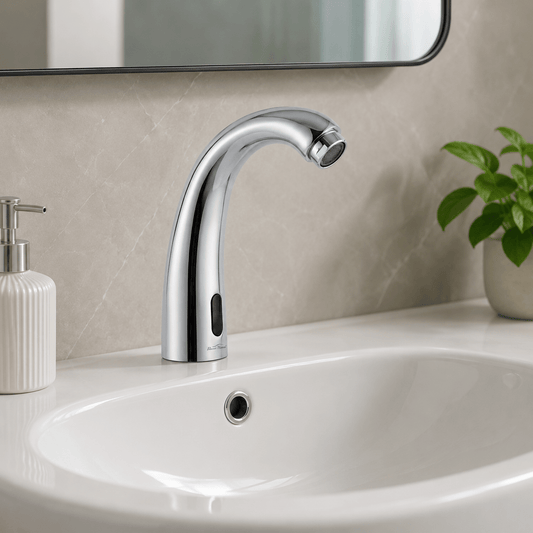
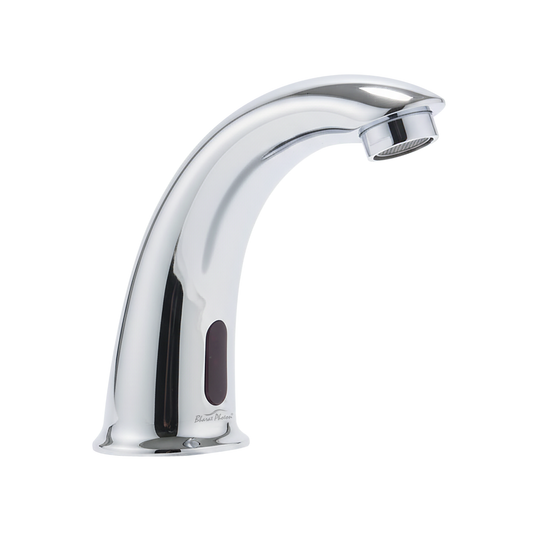
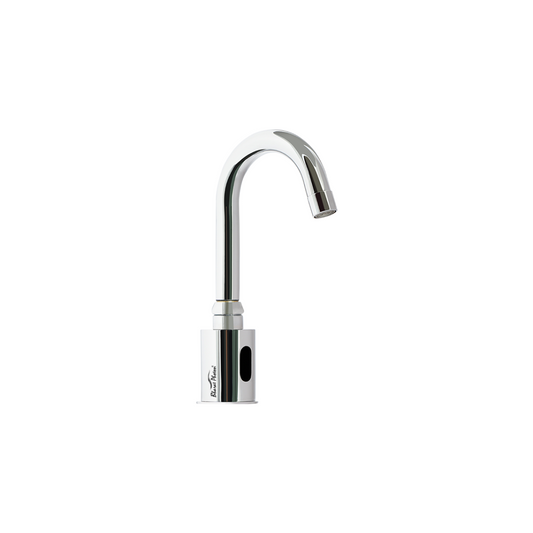
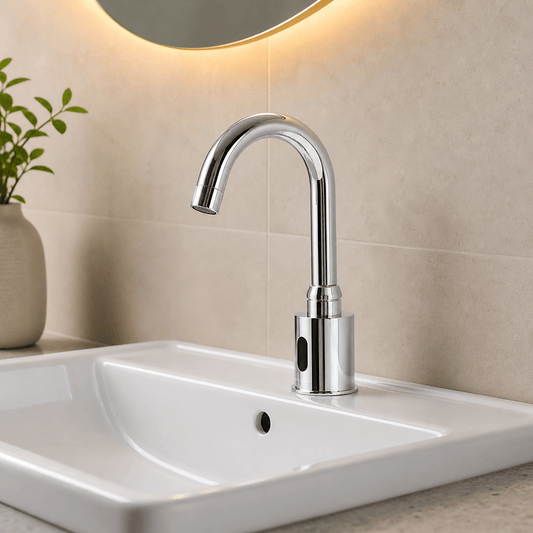
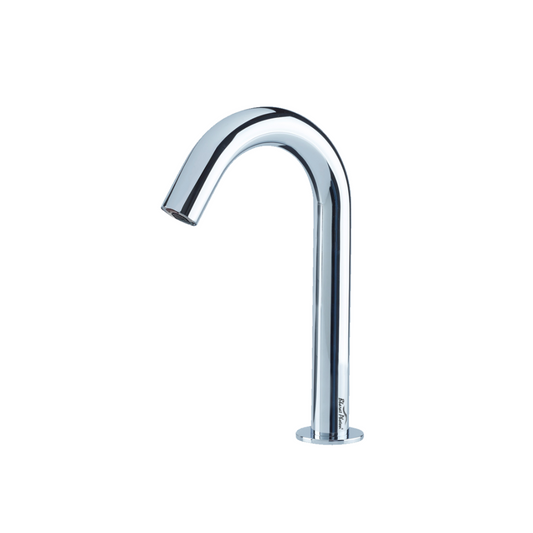
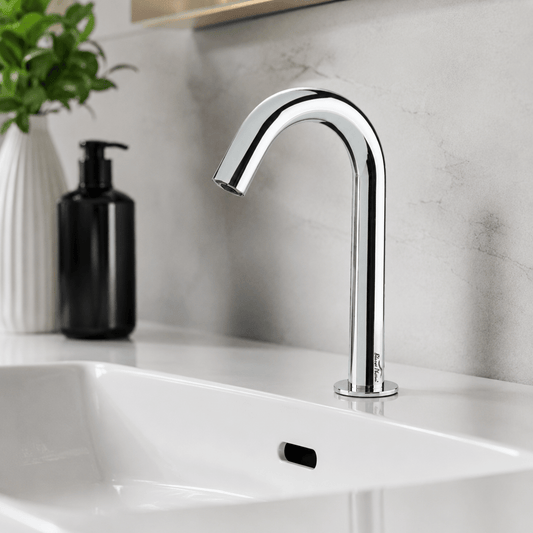
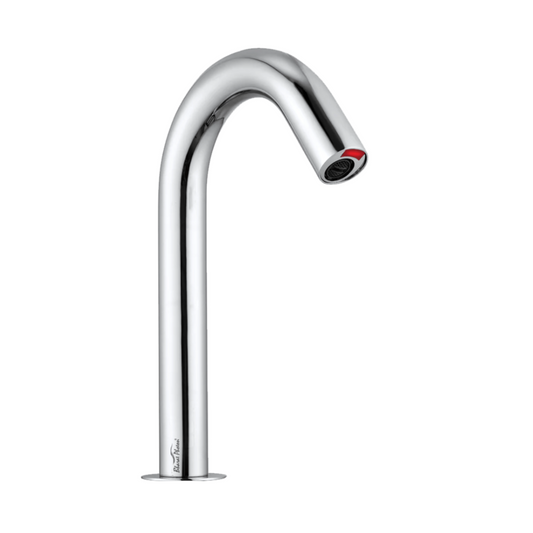
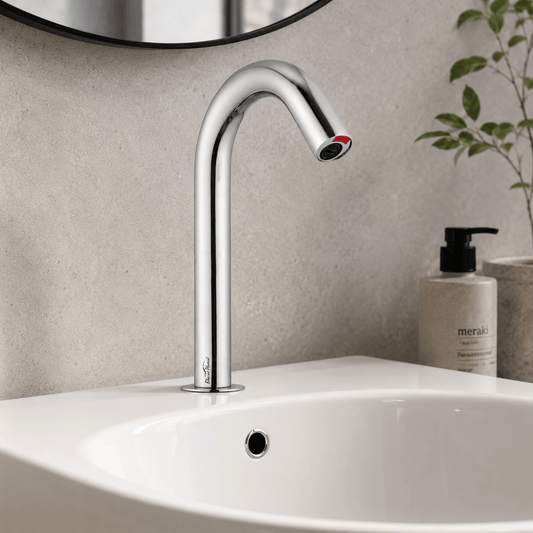
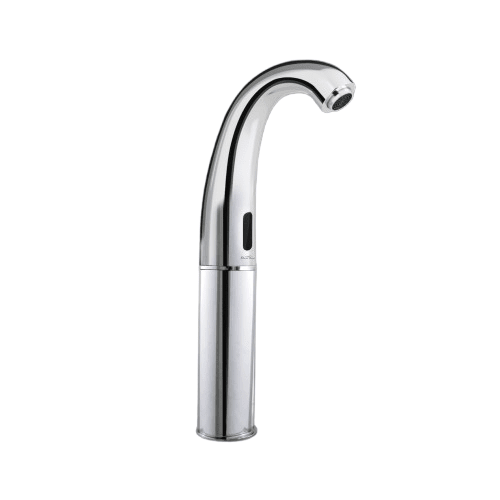
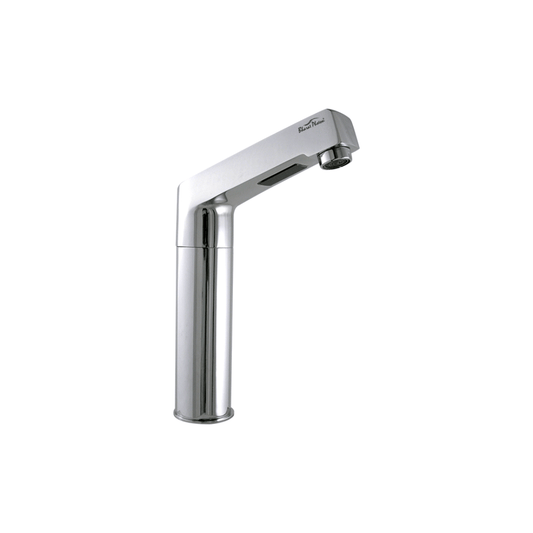
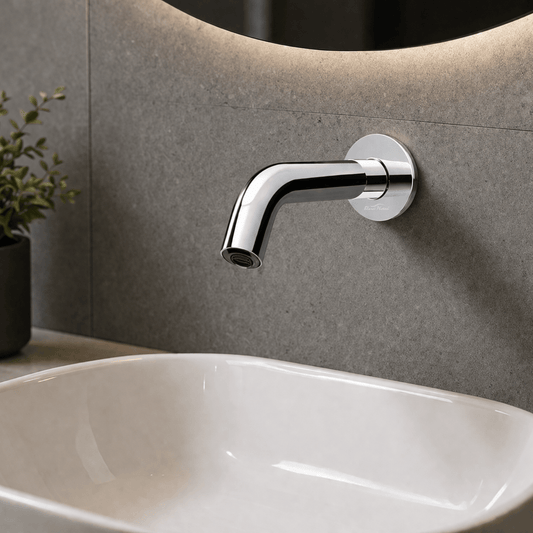
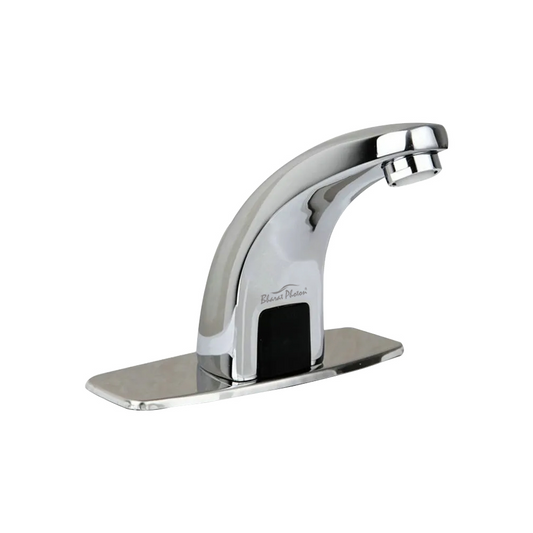
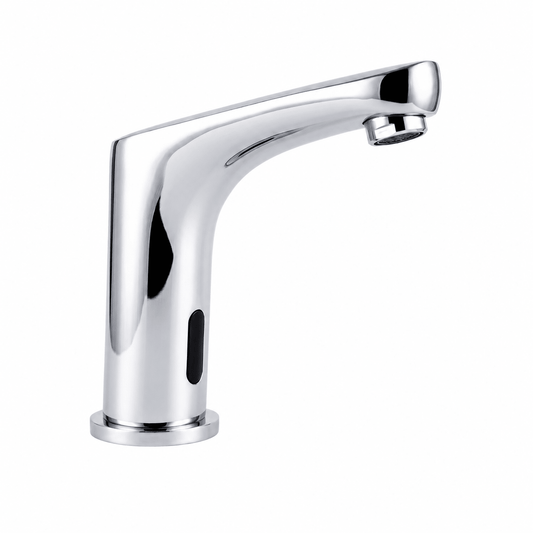
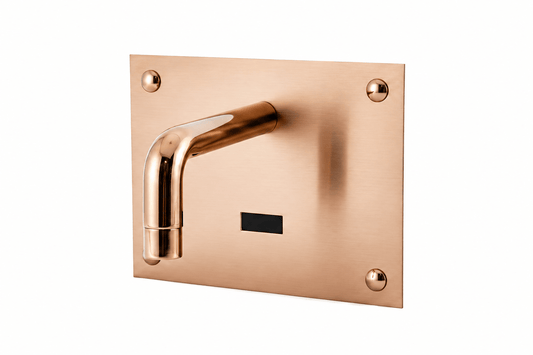
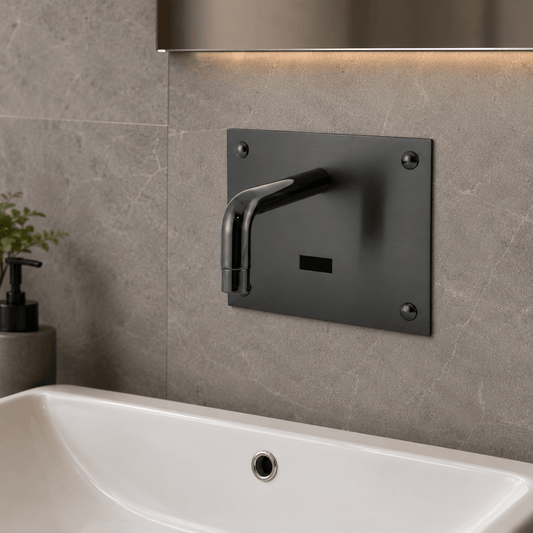
Sensor Faucet

Ideal for Homes & Commercial Use

As a trusted provider of Washroom Hygiene Products, washroom hygiene systems, and washroom automation products, Bharat Photon is committed to transforming traditional washrooms into smart, touch-free environments. Our range of automatic taps, touchless taps, touch-free taps, and automatic sensor faucets helps minimize cross-contamination, improve user comfort, and support sustainable water management. Designed for long-term performance and seamless integration with contemporary interiors, our washroom automation solutions are ideal for residential, commercial, hospitality, healthcare, and institutional projects seeking a cleaner, safer, and more efficient washroom experience.

Looking for a reliable sensor tap manufacturer or sensor tap supplier in India? Bharat Photon offers advanced BIS certified sensor taps, automatic sensor taps price in delhi, automatic sensor faucets, and touchless sensor faucets designed to improve hygiene, reduce water wastage, and create a smarter washroom experience. Our touch-free solutions use intelligent infrared sensing technology to deliver water only when needed, helping homes, hotels, offices, hospitals, malls, airports, and public facilities maintain higher hygiene standards while reducing operating costs. Whether you need a premium Sensor Faucet for a commercial project or the best sensor tap brand in India for my sweet home, Bharat Photon provides durable, water-efficient, and low-maintenance solutions built for modern bathrooms.


1. What is a Sensor Tap?

A sensor tap is a touchless faucet that uses an infrared sensor to detect your hands. Water flows automatically when your hands are within the sensing range and stops as soon as they are removed. This hands-free operation improves hygiene while reducing unnecessary water consumption.

2. Why Should You Choose a Sensor Tap?

Sensor taps help reduce the spread of germs by eliminating the need to touch faucet handles. They also prevent water wastage through automatic shut-off, making them an ideal choice for homes, offices, hotels, hospitals, malls, airports, and other high-traffic washrooms.

3. How Does a Sensor Tap Work?

A sensor tap uses an infrared sensor placed near the faucet outlet. When your hands enter the detection zone, the sensor activates a solenoid valve that releases water. Once your hands are removed, the valve closes automatically, ensuring water flows only when required.

4. What Are the Benefits of Installing a Sensor Tap?

Installing a sensor tap offers multiple advantages, including improved hygiene, reduced water bills, lower maintenance caused by taps being left open, and a modern washroom experience. Touchless operation also helps maintain cleaner surfaces in shared environments.

5. Why Are Sensor Taps Better Than Manual Taps?

Unlike manual taps, sensor taps automatically control water flow without physical contact. This minimizes cross-contamination, improves user convenience, and significantly reduces water wastage by ensuring the tap cannot be accidentally left running.

6. How Much Water Can a Sensor Tap Save?

Because water is dispensed only when hands are detected, sensor taps can substantially reduce unnecessary water usage compared to conventional taps. In commercial facilities with frequent usage, this can lead to significant long-term water savings and lower operating costs.

7. What Power Options Are Available for Sensor Taps?

Most modern sensor taps are available in battery-operated (DC), electric (AC), and dual-power (AC/DC) variants. Battery-operated models are ideal for retrofit installations, while AC and AC/DC models are preferred for high-traffic commercial locations requiring continuous operation.

8. Why Are Sensor Taps Popular in Commercial Washrooms?

Commercial washrooms experience heavy daily usage, making hygiene and water efficiency essential. Sensor taps reduce physical contact, improve user experience, help maintain cleaner facilities, and lower water consumption, making them suitable for hospitals, hotels, malls, offices, airports, and educational institutions.

9. How Do You Install a Sensor Tap?

Most sensor taps are designed for standard plumbing connections and can be installed on wash basins or countertops. Battery-operated models require no electrical wiring, while AC-powered versions require a nearby power supply. Professional installation is recommended for optimal performance and long-term reliability.

10. What Should You Consider Before Buying a Sensor Tap?

When selecting a sensor tap, consider the installation type, power source, basin size, water pressure, body material, sensing range, warranty, and intended usage. Choosing the right model ensures reliable performance, durability, and maximum water efficiency for both residential and commercial applications.